Collecting for the PlayStation 2: A Practical Guide
Updated August 22, 2026
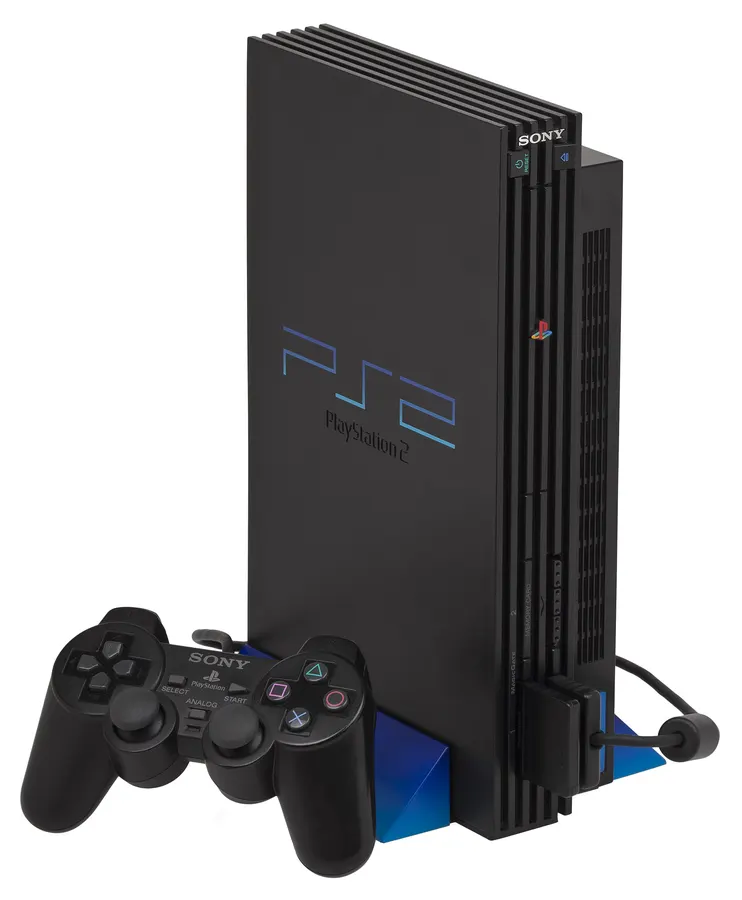
The PS2 has the largest library of any console ever made, which is exactly what makes it hard to collect. Nearly everything is cheap, a small handful of titles are genuinely expensive, and the difference between the two is not obvious from the shelf.
Start with a subset, not the library
The PS2 library is enormous. Trying to collect "all of it" is not a goal, it is a treadmill, and it is the single most common way people end up with three hundred sports titles and no sense of progress. Pick something finite: a genre you actually play, a publisher whose output you like, or the black label first-print run of games you already own.
A finite target also protects you financially. Because most PS2 games cost very little, it is easy to spend steadily without noticing, and to end up with a large collection of things you neither wanted nor will ever play. A defined list turns each purchase into progress rather than accumulation.
Black label, Greatest Hits, and why collectors care
A PS2 game released at full price shipped with a black spine and a black label on the disc. If it sold well enough it was later reissued in the red Greatest Hits line, and in Europe as Platinum. The game inside is usually identical, sometimes with minor patches, but the packaging is not, and collectors treat them as different items.
The practical consequence is that "I own this game" and "I own the original release of this game" are different statements. Original black label copies of popular titles are less common than the reissues that flooded the market afterwards, and they command a premium for exactly that reason. If you care about first prints, check the spine colour before you buy, because listings routinely photograph one and ship the other.
This is worth tracking per copy rather than per game. Plenty of collectors own both, deliberately, and a catalog that only records "owned" loses that distinction entirely.
Check the disc, not the case
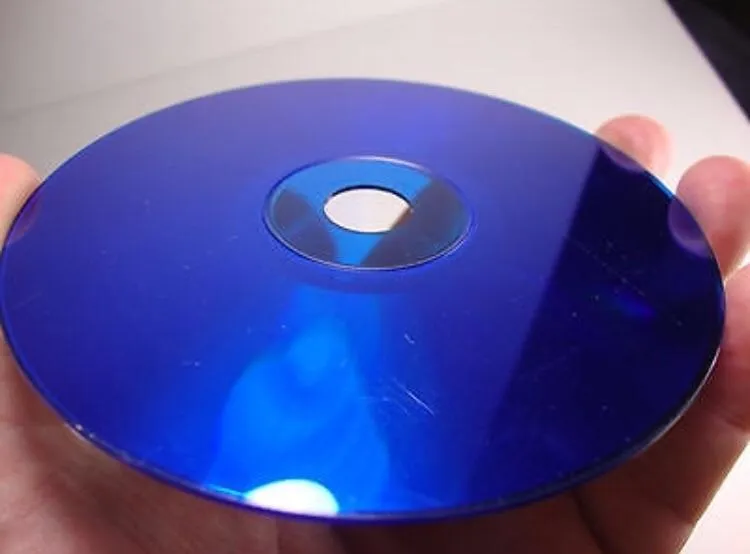
PS2 discs are the part that fails. Look at the playing surface under a light and turn it: hairline scratches that run with the spiral are usually survivable, ones that cut across it are not. Then check the edge and the clear inner ring for cloudiness or tiny pinholes, which is the beginning of disc rot and cannot be fixed.
Blue-bottomed discs, used for the dual-layer releases, are worth an extra look. They are no more prone to rot than any other disc, but a dual-layer game will often play perfectly for hours and then fail at the exact point the drive switches layers, which is late enough that a casual test will not find it.
The case tells you nothing about the disc. A pristine case with a ruined disc is common, because the case is what sat on a shelf and the disc is what got used.
Region and the PAL problem
PS2 games are region-locked, so a Japanese or American disc will not run on a European console without modification. That matters more than it sounds, because a great many PS2 titles were never released in every region, and the ones that were often arrived in Europe with borders and a lower frame rate.
For collectors this cuts both ways. PAL versions of some games are harder to find than their American equivalents simply because the print runs were smaller, and Japanese originals are frequently the cheapest way to own a game that became expensive in the West. If you are cataloging seriously, record which region each copy is, because it is the field that most often determines what a copy is actually worth.
Where the money actually is
The overwhelming majority of PS2 games are worth a few pounds or dollars. The expensive ones cluster in predictable places: late-generation releases that shipped after the console had been superseded and therefore sold in small numbers, niche genres with devoted followings, and titles that were rental-store exclusives or limited runs.
Be sceptical of any list of "rare PS2 games" that does not explain why a title is scarce. Scarcity has causes, and the causes are usually knowable: a small print run, a late release, a licensing issue that pulled it from sale. If nobody can tell you the reason, treat the price as hype rather than a floor.
Keep track as you go, not afterwards
The reason people end up buying duplicates is not carelessness, it is that a PS2 collection passes the point where anyone can hold it in their head at around a hundred games. Cataloging as you buy costs seconds; reconstructing a collection afterwards costs an evening.
Retro Collection Index tracks each copy separately, so a black label and a Greatest Hits copy of the same game are two entries rather than one, with condition and region recorded per copy and a value estimated from real marketplace data.