How to Spot Fake and Reproduction Retro Games
Updated December 3, 2025
As retro prices climb, so do counterfeits, and they are getting good. Here is how to tell a genuine cartridge from a reproduction before you spend real money.
Check the label first
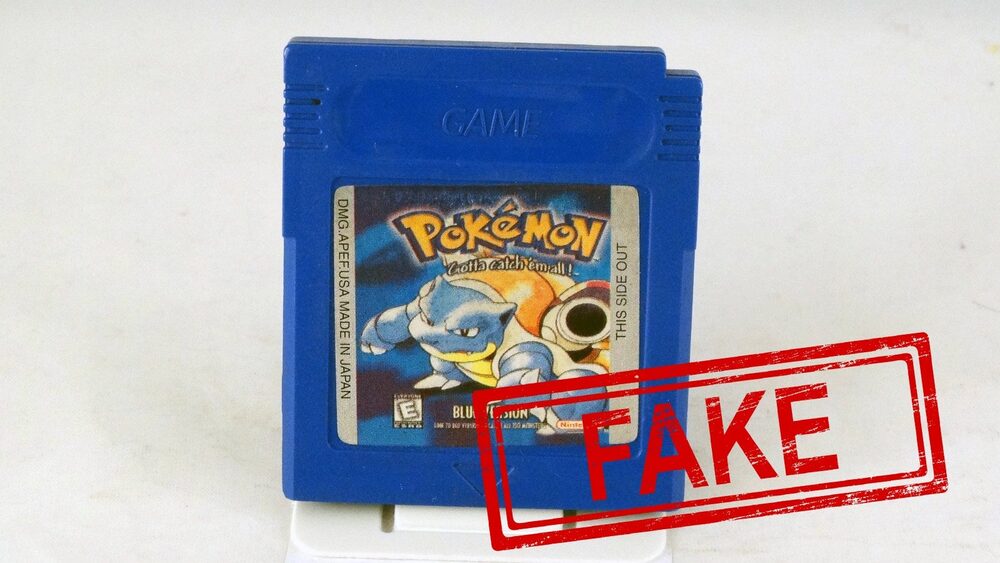
The label is where most fakes give themselves away. Genuine labels use crisp, correctly-registered printing; reproductions often show pixelation, banding, wrong fonts, slightly off colors, or a fuzzy edge from being printed on a home or small-shop printer. Compare against a known-good photo of the same title and region.
Look at the finish too. Many original labels have a specific sheen or texture, and the placement is consistent within a production run. A label that sits crooked, has cut corners, or peels at the edges deserves a second look.
Inspect the cartridge shell and screws
Original shells have consistent plastic color, texture, and molding for their platform. Reproductions sometimes use slightly different plastic, seams that do not line up, or the wrong shade. Many authentic cartridges use a proprietary security screw (like Nintendo’s 3.8mm and 4.5mm gamebit); a standard Phillips screw where a gamebit belongs is a warning sign.
Weight and feel matter. A genuine cartridge usually has a solid, consistent heft. A suspiciously light or rattly cart can indicate a reproduction board or a missing component.
Open it up (or ask for board photos)
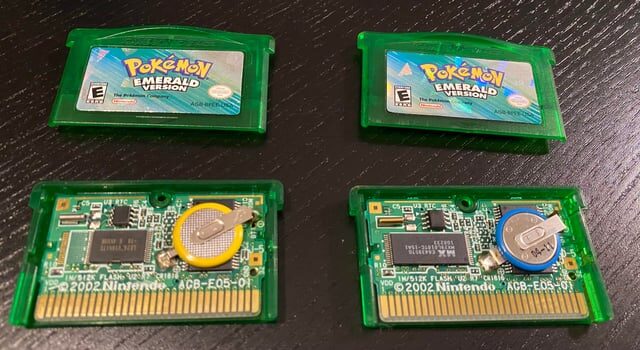
The circuit board is the hardest thing to fake convincingly. Genuine boards have proper solder mask quality, official chip markings, manufacturer logos, and date codes consistent with the game’s era. Reproduction boards often show generic chips, hand-soldering, a small flash chip and battery where none belong, or a glob-top blob covering a cheap microcontroller.
You do not always have to open a cartridge yourself. Ask the seller for a clear photo of the board. A legitimate seller of a genuine item will usually oblige. Refusal to show the board on an expensive title is a red flag.
Buy safely
Favor sellers with real, well-lit photos of the actual item (not stock images), a solid track record, and clear return policies. Be especially skeptical of expensive titles priced well below market: that is the classic counterfeit lure. When in doubt on a high-value game, buy from a reputable dealer or one who offers authentication.
A reproduction is not inherently bad. Plenty of collectors buy repros to play rare games affordably. The only real problem is a repro sold as authentic. Whatever you buy, record it honestly in your catalog so your collection’s value reflects reality. Retro Collection Index lets you note condition and details per copy so a repro is never accidentally valued as an original.