How to Sell Part of Your Video Game Collection
Updated May 27, 2026
Whether you are trimming duplicates or cashing out, selling retro games well comes down to realistic pricing, the right venue, and clean presentation. Here is how to do it without leaving money on the table.
Price against real sold data
Set prices from what games have actually sold for recently, not from the highest listing you can find. Optimistic asking prices are why so many games sit unsold for months. Pricing at or just under the recent sold range moves items and still gets you fair value.
Condition drives your number. Be honest about loose vs complete vs sealed, note any flaws, and price accordingly. Accurate, well-photographed listings sell faster and generate fewer disputes than ones that oversell condition.
Choose the right venue
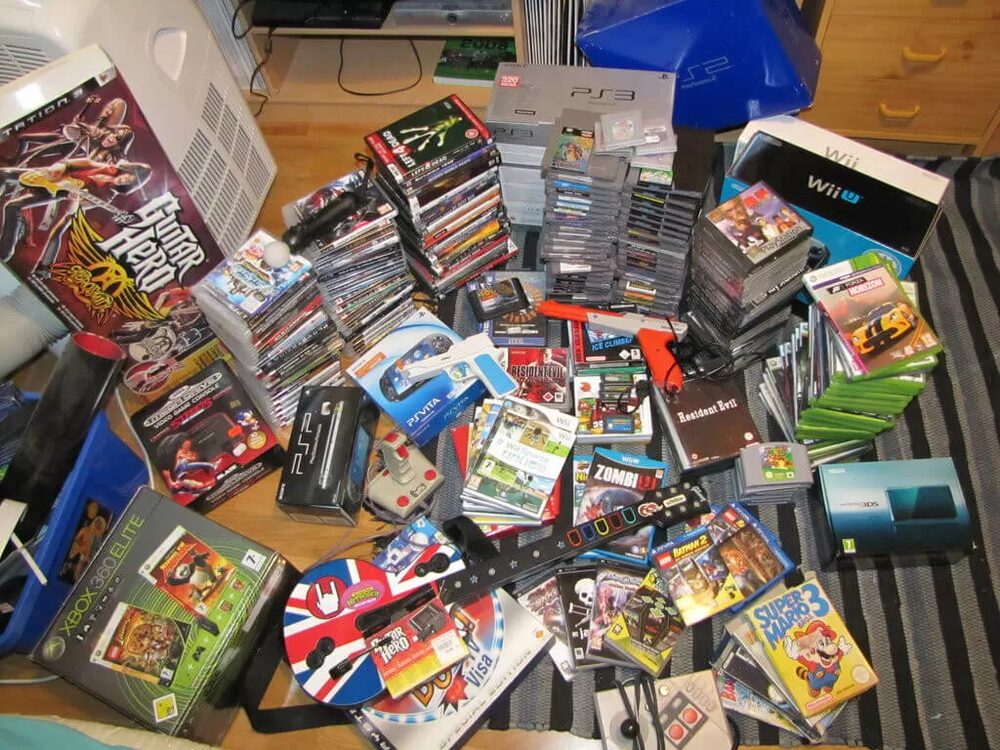
Different venues suit different goals. Large marketplaces reach the most buyers but take fees and require you to pack and ship. Local sales avoid shipping and fees but reach fewer buyers. Specialist forums and communities can get strong prices for rare items but move slowly.
Match the venue to the item: common games often do best sold in lots locally, while rare or high-value pieces justify the wider reach (and fees) of a big marketplace or a specialist buyer.
Account for fees and taxes
The number you list is not the number you keep. Marketplace and payment fees can take a meaningful cut, shipping costs money, and depending on where you live, sales may have tax implications. Factor all of it in before you decide a sale is worth it.
Knowing what you originally paid helps you understand your real gain or loss. If your catalog tracks purchase prices, you can see at a glance which sales actually profit you versus which just recover costs.
Pack games so they arrive safely
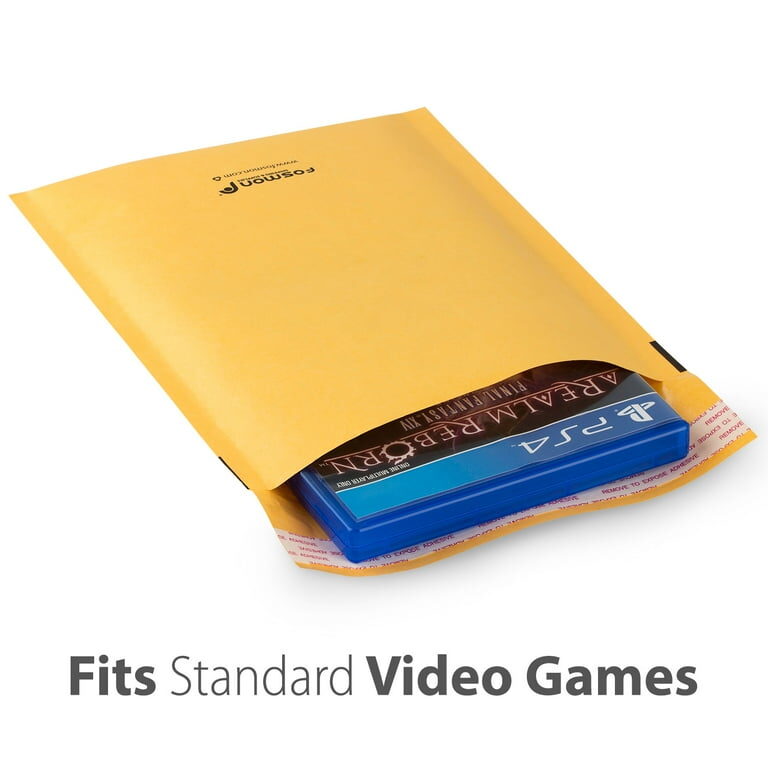
A game damaged in transit costs you the sale and your reputation. Protect boxes with rigid backing so corners cannot crush, bag items against moisture, and use a box with padding rather than a thin envelope for anything with a box or case. Loose carts still deserve protection from impact.
Before you sell, update your catalog so your collection and its value stay accurate. Retro Collection Index lets you mark copies as sold and keeps your totals honest, so what you see is what you actually still own.