Retro Game Storage and Preservation Guide
Updated March 18, 2026
Your collection is only worth what survives. A few simple storage habits protect both the games you love and the value you have invested in them.
Control light, heat, and humidity
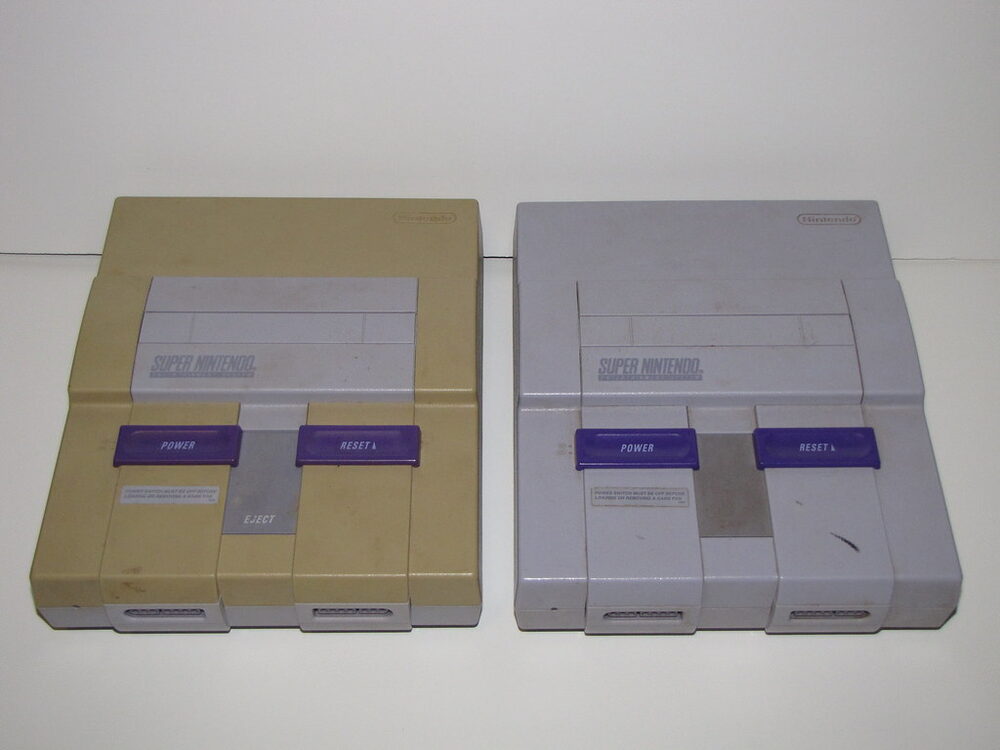
The three big enemies of retro games are sunlight, heat, and moisture. UV light fades labels and box art. The yellowed, sun-bleached spine is a classic sign of a collection stored on a sunny shelf. Keep games out of direct sunlight and away from windows.
Heat warps discs and plastic and accelerates label and adhesive breakdown; humidity invites mold on cardboard and paper and corrosion on cartridge contacts. Aim for a cool, dry, stable environment: an interior closet beats a hot attic or a damp basement.
Protect boxes and manuals
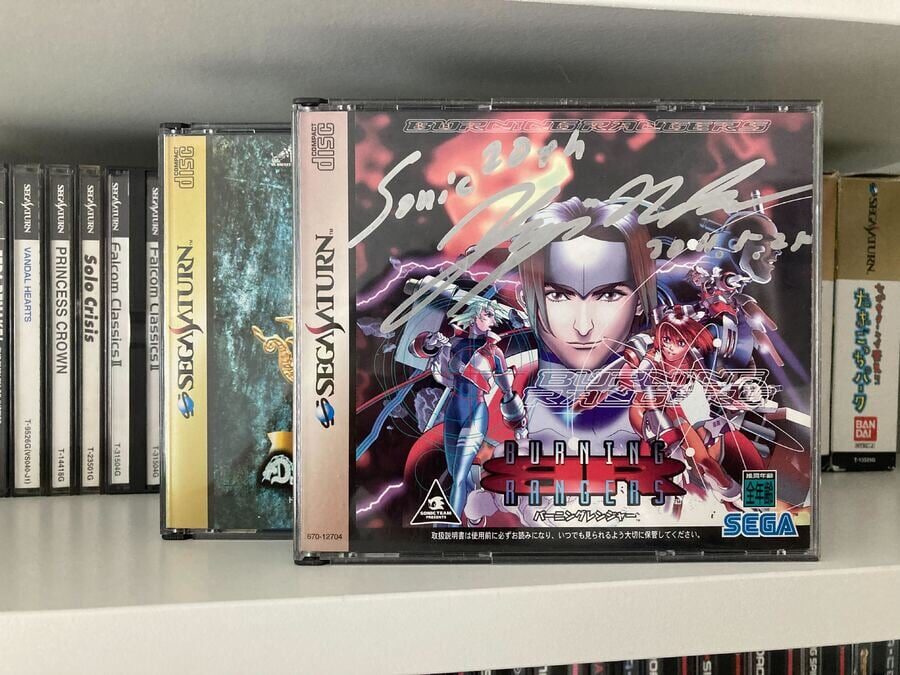
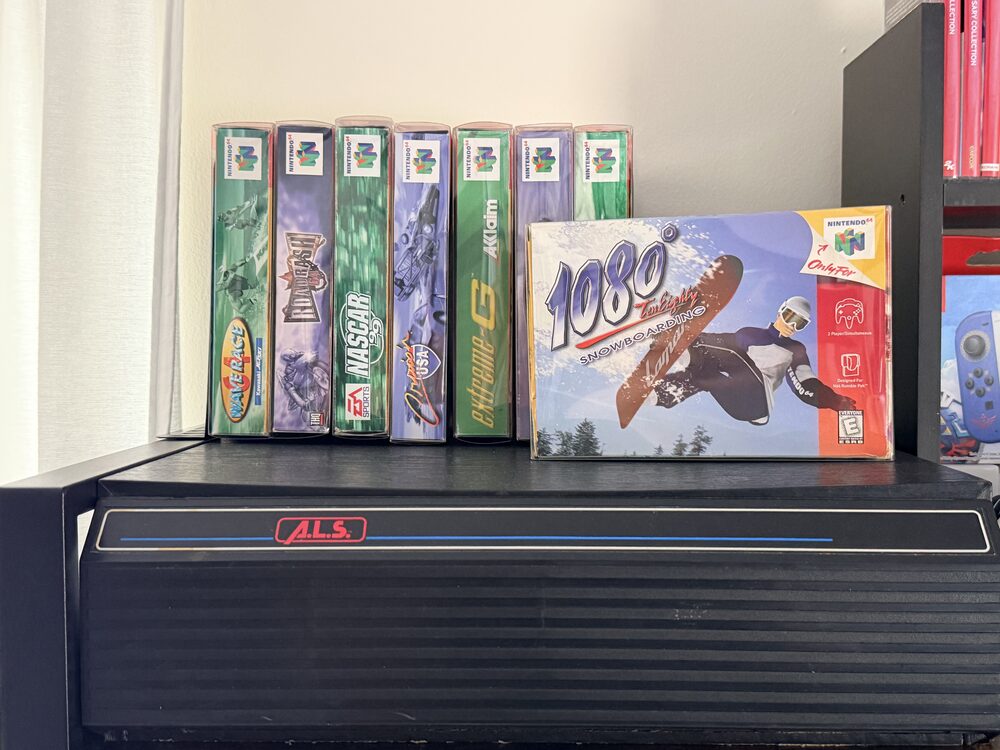
Boxes and manuals are what make a copy complete, and they are the most fragile part. Protective plastic sleeves and cases sized for your platform guard against shelf wear, dust, and handling. Store boxes upright like books rather than stacked flat, which crushes corners and seams over time.
Keep manuals and inserts with their game. A loose manual that gets separated is how a CIB copy quietly becomes incomplete, and loses a big chunk of its value.
Care for cartridges and discs
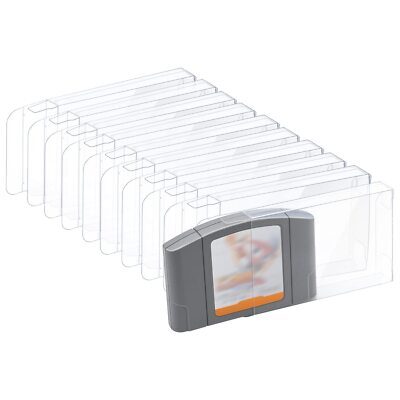
For cartridge games, dust is the main nuisance; keep contacts clean and, if a cart is dirty, clean the contacts gently with isopropyl alcohol rather than the old blow-on-it habit, which introduces moisture. Store cartridges in cases or dust covers where possible.
Discs should be kept in their cases, handled by the edges, and stored vertically. Scratches on the data side affect both playability and value, so avoid stacking bare discs or letting them slide around loose.
Document what you own
Preservation is not only physical. A catalog with photos is your record of what you own and the condition it is in: invaluable for insurance, for spotting if something degrades, and for your own peace of mind.
Retro Collection Index makes that record easy: add a photo and set condition per copy, note a storage location, and keep a running, market-based value so you always know what your preserved collection is worth.