How to Value Your Retro Video Game Collection
Updated July 2, 2025
Whether you are insuring your collection, thinking about selling, or just curious, knowing what your games are worth starts with understanding how retro prices actually work.
Value is set by recent real sales, not asking prices
The number that matters is what games actually sell for, not what hopeful sellers list them at. A game with ten copies listed at $200 that only ever sells for $90 is a $90 game. Reliable valuation looks at real, recent transaction data, not the highest asking price you can find.
This is why two "price checks" can disagree wildly. One might be quoting the cheapest current listing; another an average of optimistic asks. Always ask what a quoted value is based on.
Condition changes everything
The same title has three very different values depending on completeness. Loose (the cartridge or disc only) is the floor. Complete-in-box (CIB) copies, which still have the box, manual, and inserts, typically command a large premium because far fewer survive intact. Sealed, factory-fresh copies sit in a category of their own, often multiples of CIB.
When you value a collection, value each game at its actual condition, not a single blended number. A shelf of loose carts and a shelf of CIB copies of the same games can differ in total worth by several times over.
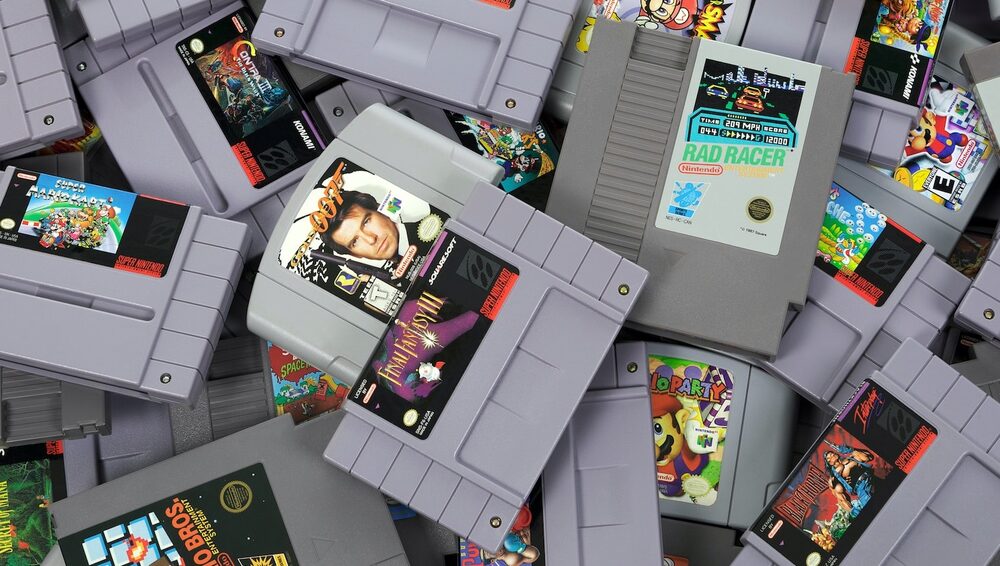
Rarity, region, and desirability
Scarcity matters, but only when demand meets it. A game can be genuinely rare and still cheap because few people want it; a common game can be expensive because everyone does. The priciest titles sit where low supply meets high demand.
Region affects both availability and price. A game may be common in Japan and scarce in North America, or released in PAL territories in tiny numbers. Grading adds another layer: professionally graded and sealed copies trade at a premium well above raw sealed ones.
Estimate your collection’s total value
To estimate the whole collection: value each game at its real condition using recent sales, sum the totals, and treat the result as an informed estimate, not a guaranteed sale price. Actual proceeds depend on fees, timing, how you sell, and how patient you are.
Doing this by hand for a large collection is tedious and goes stale the moment prices move. Retro Collection Index keeps a running total for you: it tracks loose, CIB, and sealed estimates per game and shows your total value broken down by console and condition. With Collector Pro, values reprice as the market moves and sit alongside what you originally paid, so you can see gains at a glance. Values are always presented as estimates, never appraisals.