CIB vs Loose vs Sealed: A Game Condition Guide
Updated August 19, 2025
Loose, CIB, sealed. These condition terms are the vocabulary of retro collecting, and they drive value more than almost anything else. Here is what each one means and how to grade your own games.
Loose
Loose means the game media only: a bare cartridge, or a disc without its case and inserts. Loose is the most common and most affordable way to own a game, and for cartridge-based systems it is often perfectly durable and playable.
When grading loose games, look at label condition (tears, writing, sun-fading, sticker residue), shell scuffs, and for discs, scratches that affect readability. A clean, bright label is worth noticeably more than a battered one.
Complete-in-box (CIB)
CIB means the game comes with everything it originally shipped with: the box or case, the manual, and any inserts, maps, or registration cards. Because boxes and manuals were routinely thrown away, complete copies are far scarcer than loose ones, which is why CIB usually carries a large premium.
Grade a CIB copy on the weakest link. A pristine cartridge in a crushed box with a water-stained manual is not a strong CIB copy. Box corners, seam splits, manual completeness, and insert presence all matter. "CIB" with a missing manual is not truly complete, and honest listings say so.
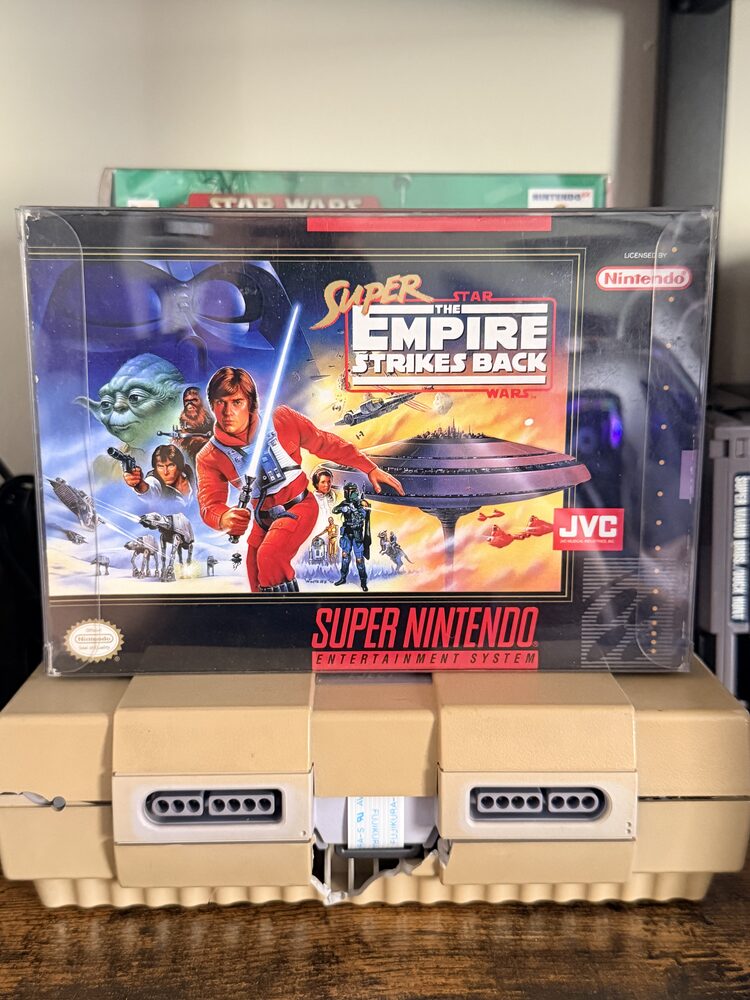
Sealed
Sealed means the game remains in its original factory shrink-wrap, never opened. Sealed copies are the pinnacle of condition and price, often costing many times a CIB copy of the same game, because every sealed copy that exists is one that was never played.
Sealed collecting comes with caveats: reseals (games re-shrink-wrapped to look factory-fresh) are a real risk, so provenance and expert authentication matter. For high-value sealed games, professional grading and authentication are common and add further value.
Where damaged and graded fit
Two categories sit outside the loose/CIB/sealed ladder. Damaged copies (cracked shells, non-working boards, heavily water-damaged boxes) trade at a discount and are best noted honestly. Graded copies have been professionally assessed, encapsulated, and assigned a numeric grade; a high grade on a desirable title can multiply value well beyond a raw copy.
Whatever tier a game falls into, record it accurately in your catalog. Retro Collection Index lets you set each copy’s condition and values it accordingly, so your total reflects what you actually own rather than a single optimistic guess.