How to Start a Retro Video Game Collection
Updated May 14, 2025
Starting a retro game collection is exciting, but the hobby gets expensive and disorganized fast if you dive in without a plan. Here is a practical, no-nonsense way to begin.
Pick a focus before you buy anything
The single most common mistake new collectors make is buying whatever is cheap and nearby. Six months later they own a shelf of random games with no direction and no sense of progress. Instead, choose a focus: a single console (say, the SNES or PlayStation 2), a single franchise, or a specific genre you actually play.
A focus turns collecting into a goal you can complete. Chasing "every first-party N64 game" is motivating and finite. "Every game ever made" is neither. You can always widen your focus later. Narrowing it is much harder once the shelves are full.
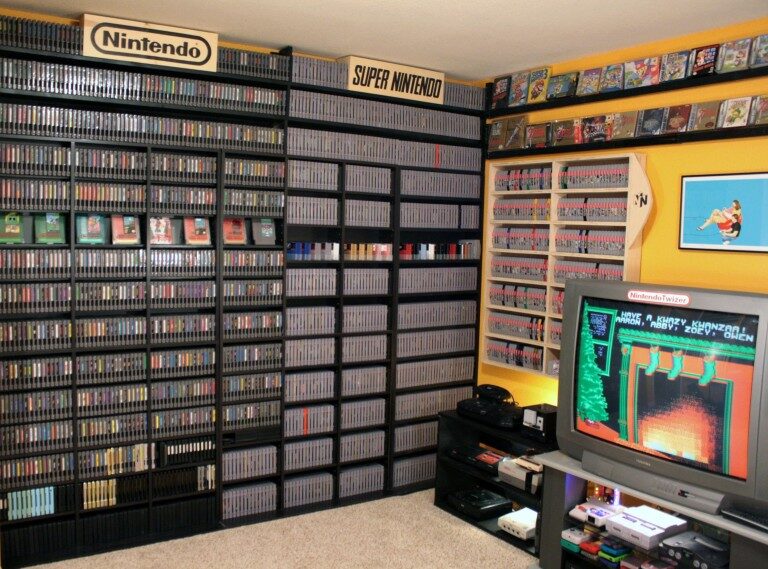
Decide loose, complete-in-box, or sealed
Condition drives price more than almost anything else. A loose cartridge might cost a fraction of the same game complete-in-box (CIB) with its manual and inserts, and a sealed copy can cost many times more than CIB. Decide up front which tier you are collecting.
For most people starting out, loose or CIB is the sweet spot: you get the games to actually play and display without paying collector-grade premiums. Sealed collecting is a different, far pricier hobby that is closer to investing than playing.
Set a monthly budget and stick to it
Retro prices have climbed for years, and it is easy to overspend chasing a deal that "won’t come around again." It always comes around again. A fixed monthly budget keeps the hobby fun instead of stressful, and it forces you to prioritize the games you actually want most.
Track what you spend. Knowing your total invested versus your collection’s current estimated value is one of the most satisfying parts of the hobby, and it stops small purchases from quietly adding up to a number that surprises you.
Learn to spot reproductions and fakes
As prices rise, so do counterfeits, especially for expensive cartridge games. Learn the tells for your platform: label printing quality, cartridge shell texture and screw type, board and chip markings, and PCB photos from trusted community references. Buy from sellers with clear, well-lit photos of the actual item, not stock images.
When a price looks too good to be true for a genuinely rare title, it usually is. A reproduction is fine if you know that is what you are buying and paying for. It becomes a problem only when it is sold as authentic.
Catalog every game from day one
The habit that separates organized collectors from overwhelmed ones is cataloging as you go. Log each game the day it arrives: console, condition, what you paid, and the date. Do it from your first game and you will never face the dreaded afternoon of typing in a hundred titles from memory.
A good catalog also protects you. It is a record of what you own if you ever need to make an insurance claim, it tells you at a glance what you already own so you stop buying duplicates, and it shows your completion percentage climbing for every system you collect.
This is what Retro Collection Index is built for, and it is the easiest way to catalog a collection. Add a game in seconds by scanning its barcode or snapping a photo, and it is matched to the right console, region, and edition automatically. Every game gets a live loose, complete-in-box, and sealed estimate pulled from real marketplace data, so you always know what your collection is worth, broken down by console and condition. Track owned, wanted, and missing games, watch each console library fill in, and import or export your whole collection as a CSV whenever you like. Your data is always yours.
Best of all, it is free to start, with no credit card required. Create your free account and add your first game today. Your future self, and your shelves, will thank you.