How to Insure and Document a Game Collection
Updated August 7, 2026
Collections grow quietly, and most collectors pass the point where their games represent serious money without ever thinking about insurance. The time to find out what your policy covers is not after a fire.
Standard policies often fall short
Home contents insurance typically covers personal possessions up to a total limit, with a much lower per-item cap and frequently specific limits on collections. A collection worth several thousand can sit well inside the overall policy limit while still being effectively uninsured, because the collection sublimit is far smaller.
Read your policy for the words "collection", "valuables", and "single article limit". If the numbers there are below what your games are worth, you have found the gap. This is common and it is usually fixable, but only before a claim rather than during one.
What insurers actually want to see
A claim is an evidence exercise. Insurers want an itemized list showing what you owned, its condition, and a defensible basis for its value — receipts where you have them, and credible market evidence where you do not. "A large retro game collection" is not a claim; a list of six hundred titles with conditions and valuations is.
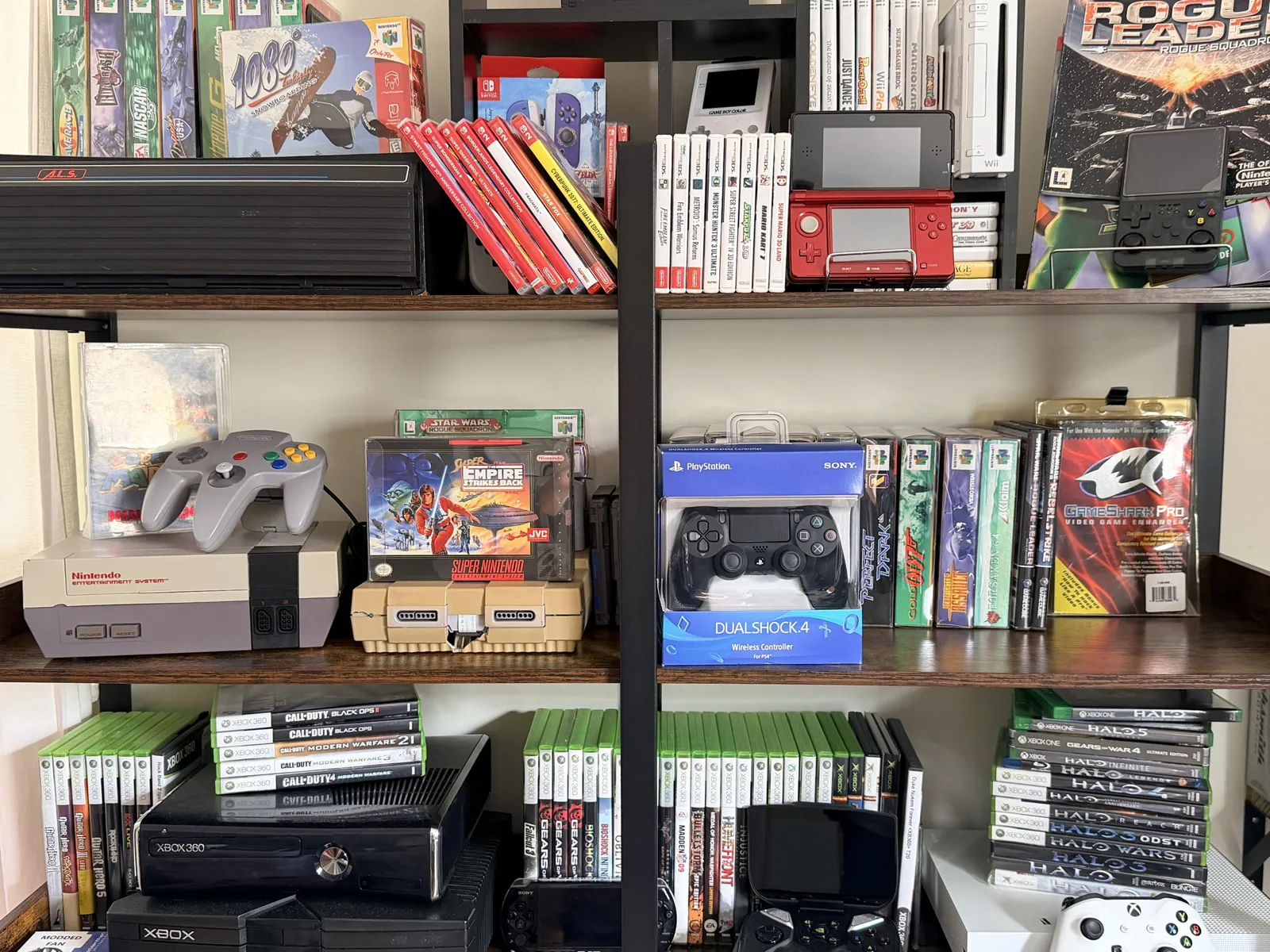
Photographs matter alongside the list. Overall shots of shelves establish that the collection existed at scale, and individual photographs of your most valuable items establish their specific condition. Both are far more persuasive than a spreadsheet on its own.
Keep the record somewhere the fire is not
A meticulous inventory stored only on a computer in the same room as the collection protects you from nothing. The single most common failure in collection documentation is that the evidence and the items share a fate.
Keep your records somewhere separate — a cloud service, an emailed copy to yourself, or an exported file held elsewhere. This costs nothing and it is the difference between a documented claim and an argument.
Valuation needs to be current and defensible
Retro game values move, sometimes sharply. A valuation from four years ago may understate a collection considerably, and an insurer settling on outdated figures will settle low. Equally, an inflated valuation based on optimistic asking prices rather than actual sales will not survive scrutiny.
What holds up is valuation grounded in real market data, refreshed periodically, with condition accounted for per copy. Retro Collection Index estimates values from recent marketplace data and can produce a Collection Inventory & Value Estimate listing every item with its condition and estimated market value — a useful starting record to share with your insurer, though it is not an appraisal, and an insurer may still ask for one.
Tell your insurer before you need to
If your collection exceeds the standard limits, the fix is usually to schedule it specifically or add a rider, which requires telling the insurer it exists. Some will want a valuation; some will want photographs; some will simply adjust the sum insured.
None of that is difficult, and all of it is far easier as a calm conversation than as part of a claim. It also tends to prompt the useful realization that the collection is worth more than you assumed.
Keep it updated as you buy and sell
Documentation decays. A collection catalogued thoroughly two years ago and added to steadily since is now inaccurate in exactly the direction that costs you money at claim time, since the newest purchases are often the most valuable.
Updating as you go, rather than in an annual burst you will not do, is what keeps the record trustworthy. If your catalog is also how you browse and manage your collection day to day, it stays current as a side effect of ordinary use.